Crochet Top Down Cardigan Pattern You Can Make Today
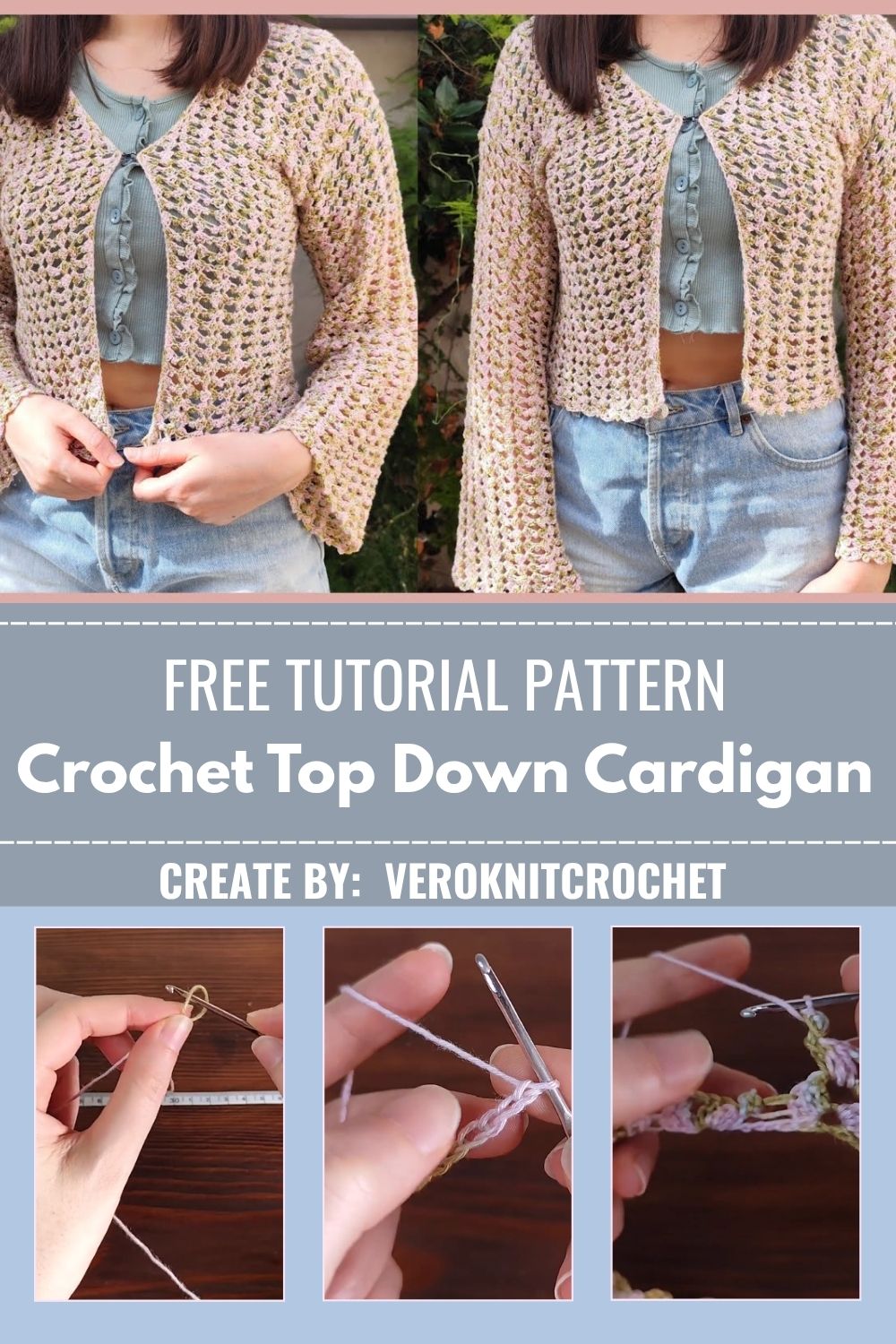
Sunlight slides across rows of shell clusters worked in blush pink and olive cotton, each fan-shaped stitch opening like a petal exactly the effect behind the Lacy Shell Stitch Top-Down Cardigan, a beginner-friendly pattern built for airy, effortless layering with a soft crochet texture.
Every stitch in shell clusters builds gentle movement across open mesh, giving this cardigan a drape that feels handmade rather than uniform. Variegated cotton shifts subtly between shades, so no two sections match exactly, letting color changes create their own rhythm. What makes this particular pattern special is its balance of structure and irregularity: clean enough to follow, yet full of natural texture that never repeats the same way twice.
The Idea Behind It
Every cardigan needs a starting point, and here it begins with a stitch pattern built to catch attention without demanding effort. Shell clusters give the fabric movement and dimension, while the open mesh beneath keeps it light enough for warmer evenings. Variegated cotton does the rest of the work, shifting subtly between shades so no two sections look identical. Rather than following a rigid, symmetrical grid, the design leans into gentle irregularity, letting the color changes create their own rhythm across the fabric. It’s a piece built for anyone who wants a project that feels handmade in the truest sense, with texture and tone that never repeat the same way twice.
Materials Needed
- Variegated cotton or cotton-blend yarn (worsted weight recommended)
- 5.0mm crochet hook
- Yarn needle for weaving in ends
- Measuring tape
- Stitch markers (optional, helpful for tracking rows)
- Scissors
The Making Process
Early Shape
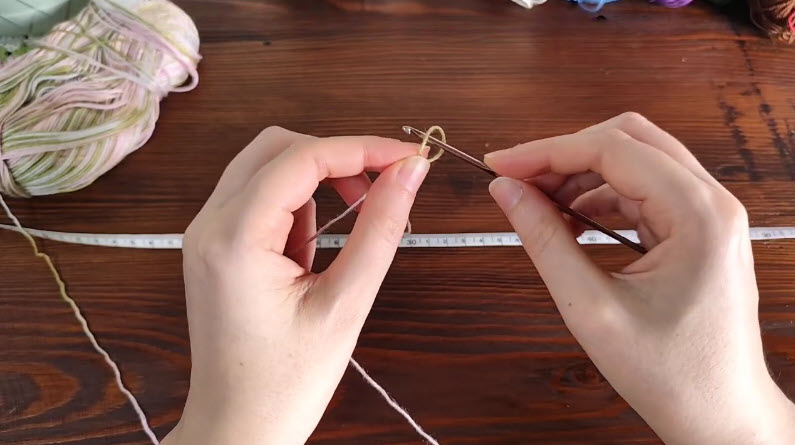
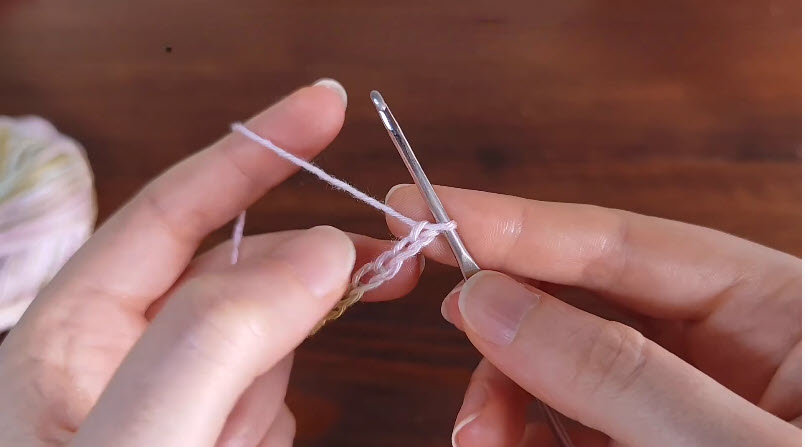
Everything starts with a slip knot pinched between thumb and forefinger, with the working yarn looping loosely around the hook’s tip. Early chains form quickly, each pull tight but not stiff, leaving enough give for the next stitch to slide through cleanly. At this stage, the foundation row looks unassuming: a thin string of linked loops with no hint of the texture to come. Patience matters more than technique here, since an uneven foundation chain will affect every row built on top of it.
Mid-Build
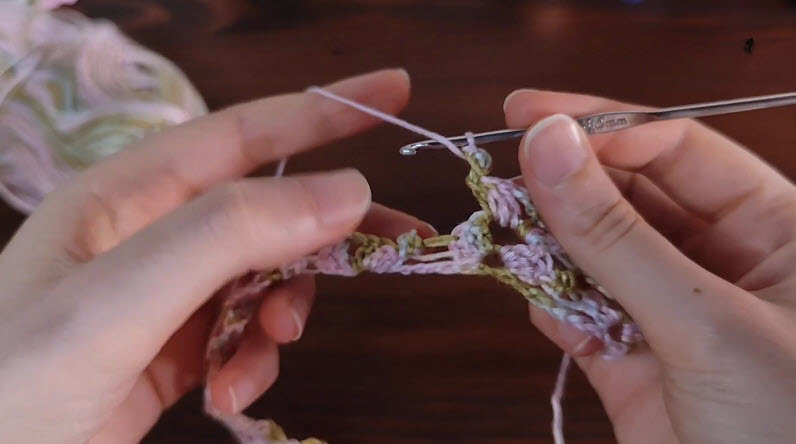
Somewhere around the fourth or fifth row, the fabric starts speaking for itself. Shell clusters begin stacking, with the hook diving into the same space three or four times. Pull through and anchor each group with a single stitch. Gaps open between clusters, catching light and giving the fabric its signature lace-like drape. Colors shift gradually here too, with olive fading into blush and back again without deliberate planning. The colors simply follow where the skein leads. By this point, your hands settle into a steady rhythm. Tension eases, and stitches begin falling into place with less conscious counting and more muscle memory.
Finishing Touches
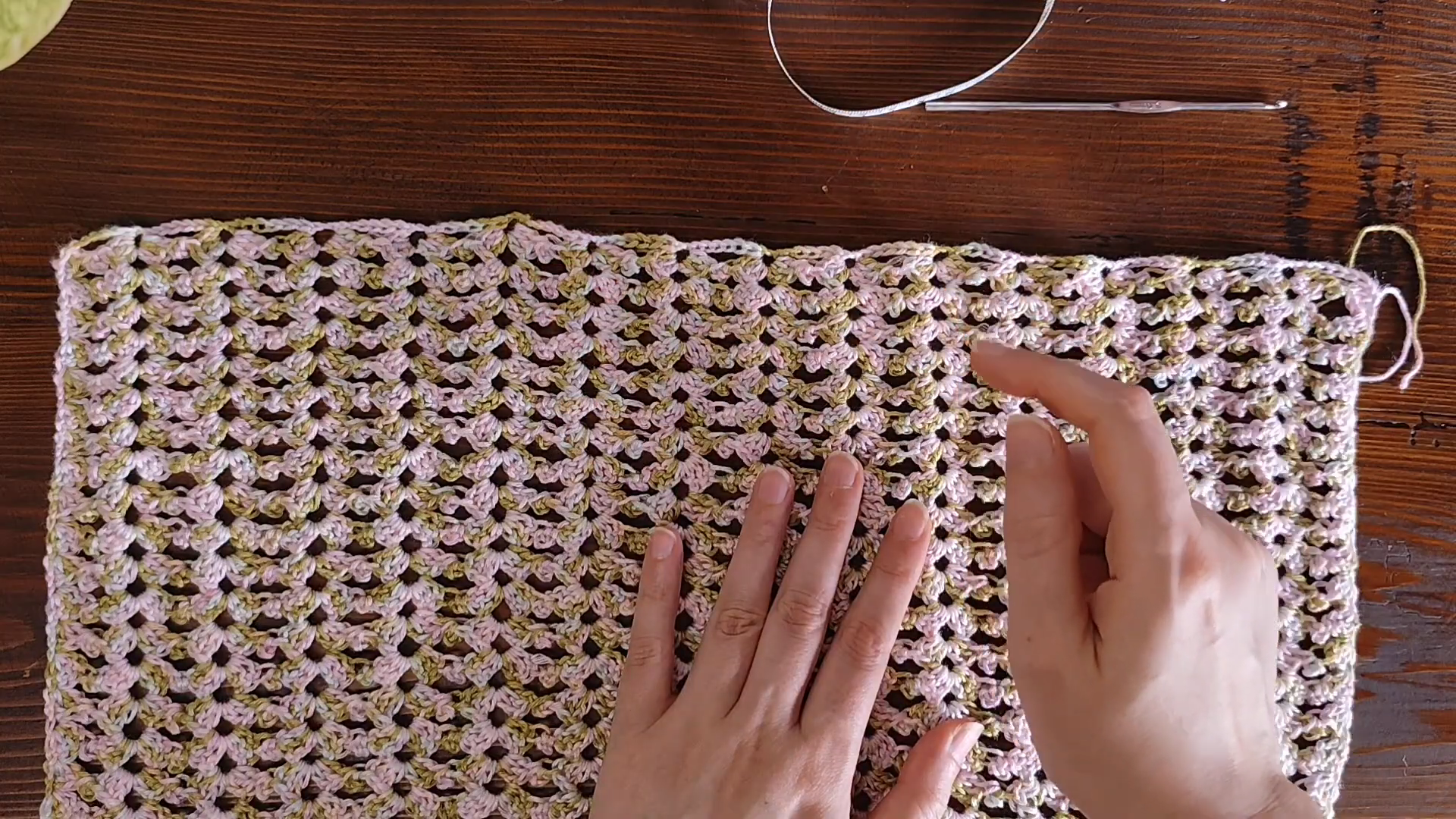
By the final rows, the piece has grown into something substantial enough to drape across a lap or hang over the arm of a chair. Edges get squared off, loose tails tucked and woven through the backs of stitches until nothing dangles free. Laid flat on a wooden surface, the completed panel reveals its full Crochet Top Down Cardigan pattern: rows of shells marching in tidy diagonal lines, framed by open spaces that catch shadow and light in equal measure. A final steam or light block relaxes any curling edges, letting the lace spread out to its true width.
Techniques Worth Knowing
Shell stitching relies on working multiple stitches into a single space, so keeping tension consistent across each cluster matters more than usual. Loosening the grip slightly before diving into a shared stitch space prevents the fabric from puckering. Counting chain spaces between clusters, rather than counting individual stitches, tends to keep rows more accurate over long stretches. Blocking, while optional for many projects, makes a genuine difference here, since lace patterns often hide their full shape until stretched and pinned flat.
Things That Trip People Up
Uneven tension shows up quickly in an open stitch pattern like shells. A stitch pulled too tight beside one left too loose can create a visible wobble in the row. Miscounting chain spaces between clusters can also throw off the alignment of every row that follows. Double-checking the placement before committing to a cluster can save plenty of frogging later.
Color pooling may also surprise beginners working with variegated yarn. Certain stitch widths can cause colors to bunch unevenly instead of flowing smoothly. Switching the hook size slightly or alternating skeins every couple of rows can help create a more balanced color effect.
Ways to Use or Display It
Draped across the back of a reading chair, the lace catches afternoon light and turns an ordinary corner into something worth lingering in. Folded and placed at the foot of a bed, it adds texture without overwhelming the room’s palette. Worn as a light layer over a summer dress, the open weave lets air move through while softening bare shoulders. Pinned flat and framed, even a swatch-sized sample can become a small piece of textile art, showing how much detail a single stitch pattern can hold.
Tips for a Smoother Experience
Working near natural light makes counting stitches in an open lace pattern easier on the eyes. This becomes especially helpful when the rows start layering closely together. Keep a small notepad nearby to mark each row number. It prevents the frustration of losing count during the project.
Switch between skeins gradually to keep the color transitions looking intentional. This also prevents abrupt changes between shades. A slightly larger hook can soften the finished drape. It allows the lace to hang naturally instead of looking stiff.
How much yarn does a project like this need?
Can the shell stitch pattern be adjusted for a tighter fabric?
Switching to a smaller hook size tightens the weave and reduces the visible gaps, producing a denser fabric better suited for cooler climates.
Is variegated yarn necessary for this look?
Solid yarn works fine and produces a cleaner, more uniform pattern, though variegated skeins add depth and movement that solid colors can’t replicate on their own.
How long does a panel like this typically take to complete?
Timing depends heavily on experience level. A panel of similar size usually takes a few evenings of steady work for someone comfortable with basic shell stitches.
What’s the best way to prevent curling edges?
Blocking the finished piece with pins and a light steam relaxes the fibers and holds the lace flat, preventing the curling that untreated edges often develop.
Wrap-Up
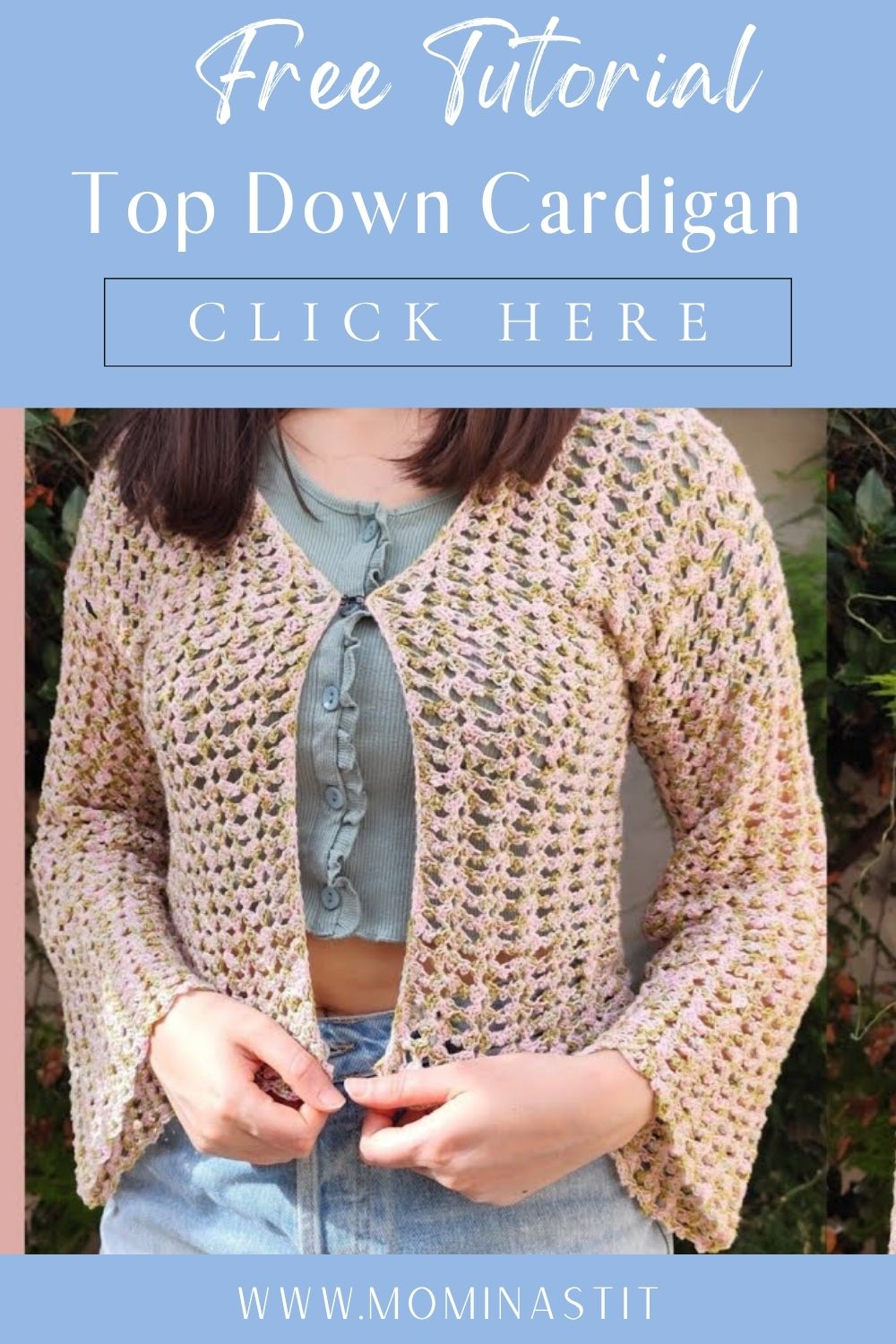
From a single slip knot to a finished panel, the transformation shows what patience and steady rhythm can create. Stretching the panel flat reveals the beauty of each stitch. Shell stitches, open lace, and shifting colors come together to create fabric with genuine character. Use it for a cardigan, a wrap, or simply admire it as a beautiful handmade piece.