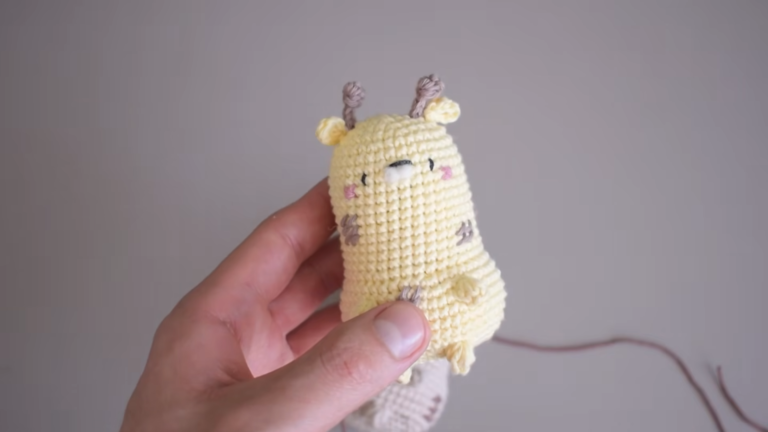
DIY Crochet Little Bear Amigurumi Simple Toy
Make a DIY crochet little bear with this simple amigurumi toy pattern, easy for beginners, quick to finish, and full of handmade charm. Create a soft, gift-worthy keepsake for baby showers, birthdays, nurseries, or anyone who loves cute, cuddly crochet friends.
Meet your next cozy project: the DIY Crochet Little Bear Simple Amigurumi Toy. This beginner-friendly amigurumi is quick to stitch, easy to shape, and packed with handmade personality, perfect for using up small yarn scraps while practicing simple rounds and basic details.

The finished little bear looks adorable with its sweet face and soft, huggable size, making it especially fun to gift. Use it as a baby shower or birthday present, a nursery decor accent, or a cute keychain/bag charm when made in a smaller size.
DIY Crochet Little Bear Simple Amigurumi Toy
A tiny crocheted bear has a special kind of magic: it’s sweet, soft, and full of handmade personality. This DIY Crochet Little Bear Simple Amigurumi Toy project keeps things refreshingly simple, so beginners can relax and enjoy the process while still ending up with an adorable result. First, the body comes together in easy rounds. Next, the small parts add that “bear” silhouette. Finally, the face brings the whole toy to life. Best of all, this little amigurumi bear works as a thoughtful gift, a nursery decoration, or a pocket-sized comfort buddy.
Materials Needed (Exact Measurements)
- Yarn (main color): Worsted weight / Medium (Category 4), 50 g (approx. 90–110 m)
- Yarn (accent color, optional): Small amount in cream/beige for muzzle or tummy, 10 g (approx. 18–22 m)
- Crochet hook: 3.5 mm (use 3.0 mm for tighter stitches if needed)
- Safety eyes: 8 mm (or 6 mm for a smaller bear)
- Stuffing: Polyester fiberfill, 20–30 g (enough to shape firmly)
- Stitch marker: 1 locking marker (or a contrasting yarn scrap)
- Yarn needle: Blunt tapestry needle for sewing parts
- Scissors
- Optional accessories:
- Keychain ring: 2.5–3 cm ring + small jump ring (if turning the bear into a charm)
- Embroidery thread: Black/brown for nose and smile (or leftover yarn split into strands)
Skill Level
Beginner / Easy
This amigurumi uses simple stitches and basic shaping. Additionally, the sewing is minimal and beginner-friendly.
Making Time (Overview)
Total time: approximately 2.5–4 hours, depending on pace and experience.
To keep things smooth, each section below includes an estimated time.
Step-by-Step Instructions
Before starting, it helps to know the standard amigurumi approach: crochet in continuous rounds, place a stitch marker in the first stitch of each round, and move it up as each round finishes. Meanwhile, keep stitches snug so stuffing does not show through.
Stitches used (quick list):
- MR = Magic ring
- sc = Single crochet
- inc = Increase (2 sc in the same stitch)
- dec = Invisible decrease (single crochet 2 together)
- sl st = Slip stitch
- ch = Chain
Body (3 clear steps)
Making time: 60–90 minutes
The body is crocheted from the bottom up in one piece. First, the base is formed. Next, the belly builds height. Later, decreases shape the top.
1) Start the base (Rounds 1–5)
- Round 1: MR, 6 sc (6)
- Round 2: inc x 6 (12)
- Round 3: (sc, inc) x 6 (18)
- Round 4: (2 sc, inc) x 6 (24)
- Round 5: (3 sc, inc) x 6 (30)
At this point, the base should look like a neat circle. If it begins to ripple, next time use fewer increases or a smaller hook. On the other hand, if it curls into a bowl, slightly loosen the tension.
2) Build the belly (Rounds 6–13)
- Rounds 6–13: sc in each stitch around (30) for 8 rounds
The cylinder created here becomes the chubby little belly. Meanwhile, check that stitches remain tight and even—this is what gives amigurumi that polished look.
3) Shape the top & close (Rounds 14–20)
- Round 14: (3 sc, dec) x 6 (24)
- Round 15: sc in each stitch around (24)
- Round 16: (2 sc, dec) x 6 (18)
- Round 17: (sc, dec) x 6 (12)
- Round 18: sc in each stitch around (12)
Now is the best time to stuff. First, add small pieces of fiberfill. Next, push it into shape with the rounded end of the hook or a pencil. Finally, add a touch more stuffing so the body feels firm but not stretched.
- Round 19: dec x 6 (6)
- Round 20: Close the opening by threading the tail through the front loops of the last 6 stitches, then pull tight and weave in.
Additional Parts
Each piece is small, so they work up quickly. Even better, they are great “tiny wins” for beginners.
Ears (make 2)
Making time: 10–15 minutes total
- Round 1: MR, 6 sc (6)
- Round 2: (sc, inc) x 3 (9)
- Round 3: sc in each stitch around (9)
- Round 4: (2 sc, inc) x 3 (12)
- Round 5: sc in each stitch around (12)
- Finish with sl st, leave a long tail for sewing.
Ears look best lightly curved. Therefore, avoid overstuffing—most ears do not need stuffing at all.
Arms (make 2)
Making time: 20–30 minutes total
- Round 1: MR, 6 sc (6)
- Round 2: (sc, inc) x 3 (9)
- Rounds 3–7: sc in each stitch around (9) for 5 rounds
- Lightly stuff the hand area only.
- Flatten the top and sc through both layers across 4–5 stitches to close. Leave a sewing tail.
For a cuter look, keep arms slightly floppy. Consequently, only a small pinch of stuffing is needed.
Legs (make 2)
Making time: 25–35 minutes total
- Round 1: MR, 6 sc (6)
- Round 2: inc x 6 (12)
- Round 3: (sc, inc) x 6 (18)
- Round 4: sc in each stitch around (18)
- Round 5: (4 sc, dec) x 3 (15)
- Rounds 6–9: sc in each stitch around (15) for 4 rounds
- Stuff firmly, then flatten the top and close with sc through both layers across 6–7 stitches. Leave a long tail.
If the feet feel too wide, later switch to a smaller hook or stop increasing one round earlier. On the other hand, if the bear tips over, make the feet slightly wider by adding one more increase round.
Muzzle (optional, but adorable)
Making time: 10–15 minutes
Using accent yarn (cream/beige):
- Round 1: MR, 6 sc (6)
- Round 2: (sc, inc) x 3 (9)
- Round 3: (2 sc, inc) x 3 (12)
- Finish with sl st and leave a tail for sewing.
A softly rounded muzzle helps the face look gentle. Additionally, it creates a perfect spot for an embroidered nose.
Accessories / Details (optional)
Making time: 10–20 minutes
A tiny heart adds instant gift charm. As a result, the bear becomes especially sweet for birthdays, baby showers, or “just because” surprises.
Face & Assembly
Making time: 45–75 minutes
Assembly is where the bear gains personality. First, pin pieces before sewing. Next, step back and check symmetry. Finally, stitch everything securely.
1) Place the safety eyes
- Position eyes between Rounds 11–13 (body top area), about 6–7 stitches apart.
- Before locking the backs, adjust spacing until the expression feels sweet rather than surprised.
For beginners, it helps to insert eyes first, then test the look with the muzzle pinned underneath. Consequently, the face feels balanced.
2) Sew on the muzzle (if using)
- Center the muzzle slightly below the eyes.
- Sew around the edge with small, even stitches.
- Add a tiny bit of stuffing behind the muzzle before closing completely for a softly raised look.
3) Embroider the nose and smile
- Use black or dark brown embroidery thread (or split yarn strands).
- Stitch a small triangle or oval nose on the top center of the muzzle.
- Next, add a short vertical line down.
- Then, curve a gentle smile to each side.
Small stitches look cleaner, so keep them tight and neat. Meanwhile, avoid pulling too hard—tight pulling can pucker the fabric.
4) Attach ears
- Place ears on the upper sides of the body, near the top shaping section.
- Pin first, then sew securely.
For an extra-cute look, angle the ears slightly forward. As a result, the bear appears more expressive and “cuddly.”
5) Attach arms and legs
- Legs: sew to the lower front sides of the body so the bear can sit.
- Arms: sew slightly below the midpoint on each side.
If making a keychain bear, arms and legs can sit closer to the body. Therefore, the shape stays compact and sturdy.
6) Optional keychain loop
- Create a small hanging loop on top: insert needle through the top center, pull yarn through, and form a tight loop.
- Next, attach the keychain ring through the loop, then knot and weave ends inside.
If using safety eyes on a keychain, remember they are not recommended for very young children. Instead, embroidered eyes are the safest choice.
Special Features for ( Crochet Little Bear Amigurumi)
This little bear’s charm comes from its simple shapes and soft curves. First, the round base makes it stable. Next, the small muzzle adds dimension without complicated shaping. Meanwhile, the slightly forward-tilted ears give a gentle, curious expression. Finally, the compact size makes the bear perfect for gifting, displaying on a shelf, or tucking into a bag as a comforting companion.
Sizing Tips
Yarn and hook size change the final bear more than anything else.
- Worsted + 3.5 mm hook: typically 12–15 cm (about 5–6 inches) tall
- DK yarn + 3.0 mm hook: slightly smaller, more delicate
- Chenille/velvet yarn + larger hook: bigger and extra plush, but stitches can be harder to see
If stuffing shows, switch to a smaller hook or tighten tension. On the other hand, if crocheting feels stiff and tiring, move up 0.5 mm and keep stitches consistent.
Finishing Tips
A clean finish makes even a simple amigurumi look professional.
- Use invisible decreases whenever possible, because they keep the surface smooth.
- Stuff in small pieces, since big clumps create lumps.
- Shape as stuffing is added—press the belly, round the back, and check the base.
- Weave ends inside the body, then pull the yarn out at another spot and trim so the end disappears.
- Pin before sewing, because repositioning is easier with pins than with stitches.
Finally, take a quick moment to brush the surface with fingertips. This simple step smooths fuzz and helps the toy look neat in photos.
Common Mistakes to Avoid for ( Crochet Little Bear Amigurumi)
Beginners improve fastest when mistakes are easy to spot and simple to fix.
- Skipping the stitch marker
Without a marker, rounds drift quickly. Therefore, always mark the first stitch and move it up each round. - Loose stitches that reveal stuffing
If white stuffing peeks through, switch to a smaller hook or tighten tension. Additionally, try stuffing a little less firmly. - Overstuffing the body
A too-tight body stretches stitches and makes the bear look uneven. Instead, aim for firm but gently squeezable. - Sewing parts too low or too far back
If ears sit too far behind, the bear looks flat. Similarly, if legs are too low, it may tip. Consequently, pin everything first and view from multiple angles. - Pulling embroidery too tight
Tight embroidery can pucker the muzzle. Next time, keep stitches snug but relaxed, and secure thread ends carefully.
Variations & Customization Ideas
One pattern can create lots of different bears. First, choose a theme. Next, adjust small details. Finally, enjoy a one-of-a-kind result.
- Color changes
- Classic teddy: warm brown with cream muzzle
- Polar bear: white with black embroidery
- Panda bear: add black eye patches and ears
- Pastel bear: soft pink, mint, or lavender for nursery decor
- Size options
- Mini bear: use DK yarn and 2.5–3.0 mm hook, plus 6 mm eyes
- Jumbo bear: use chunky yarn and a larger hook (keep stitches tight)
- Expression ideas
- Sleepy bear: embroidered closed eyes
- Happy bear: wider smile curve
- Shy bear: add pink blush dots using embroidery thread
- Outfits & accessories
- Tiny scarf: chain to length, then single crochet back
- Little vest: simple rectangle wrapped and stitched
- Heart on belly: sew on the mini heart for a “love bear” theme
Tutor Suggestions for ( Crochet Little Bear Amigurumi)
Crocheting amigurumi feels easiest when the process stays calm and predictable. Therefore, a few gentle habits make a huge difference:
- Start with smooth, light-colored yarn.
Dark yarn hides stitches, so lighter colors make learning easier. Meanwhile, avoid fuzzy novelty yarn for the first attempt. - Count rounds out loud or jot them down.
Small notes prevent confusion later. Additionally, counting helps maintain consistent shaping. - Keep the first bear simple.
Extra details are fun; however, finishing a clean basic bear builds confidence faster. - Test the face before locking anything in place.
Pin the muzzle and check eye spacing. Next, adjust until the look feels right. Then, secure everything. - Celebrate small sections.
Ears, arms, and legs are quick wins. As a result, motivation stays high through assembly.
Finally, once the first little bear is complete, making the second one feels surprisingly fast, and customizing becomes the most enjoyable part.
If a specific finished size is needed (for example, a 10 cm keychain bear or a 20 cm nursery plush), share the preferred height and yarn type, and the stitch counts can be adjusted accordingly.