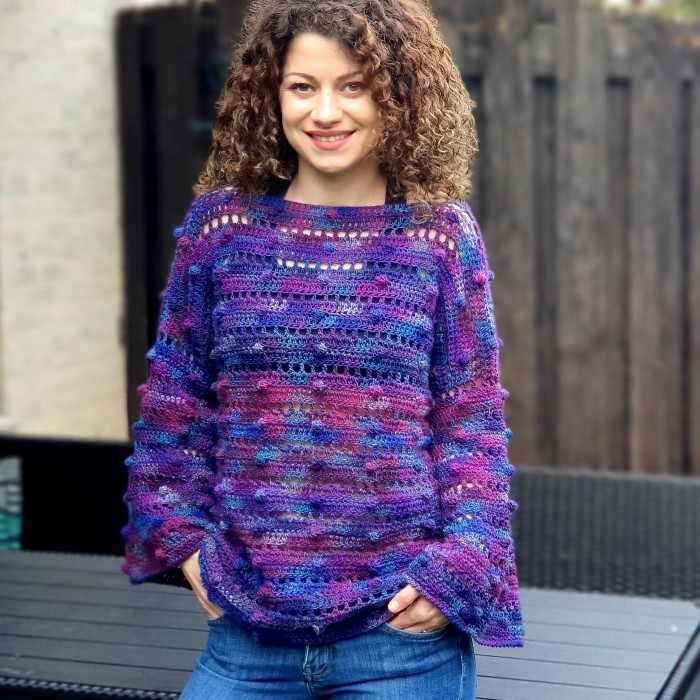
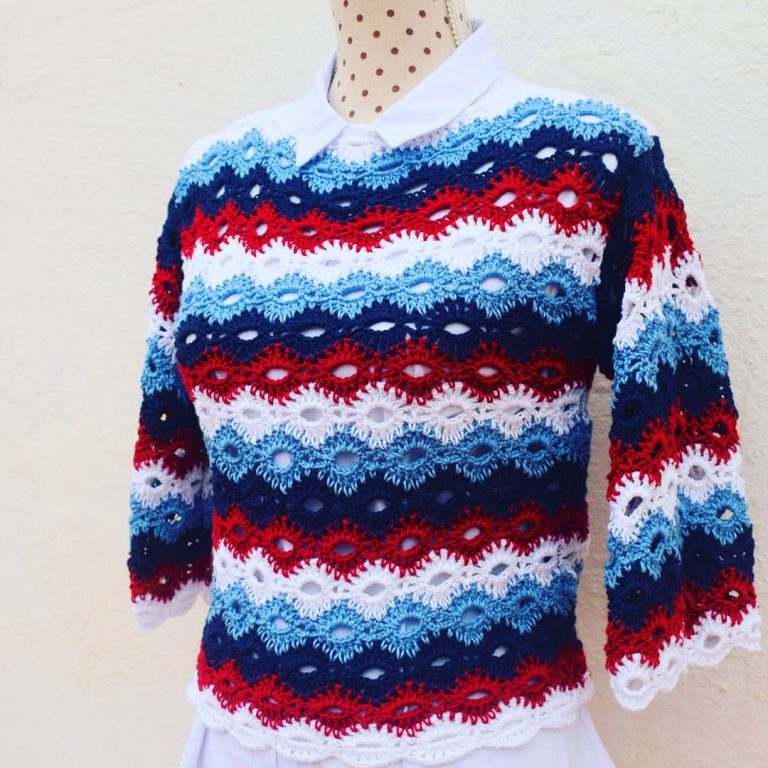
Crochet Raglan Gingham Sweater Pattern for Summer Vibes
Soft gray tones checker into crisp white squares, and the Crochet Raglan Gingham Sweater Pattern for Summer Vibes turns a classic picnic print into a wearable knit. Cool cotton yarn glides through raglan increases. A breezy top-down build takes shape fast.
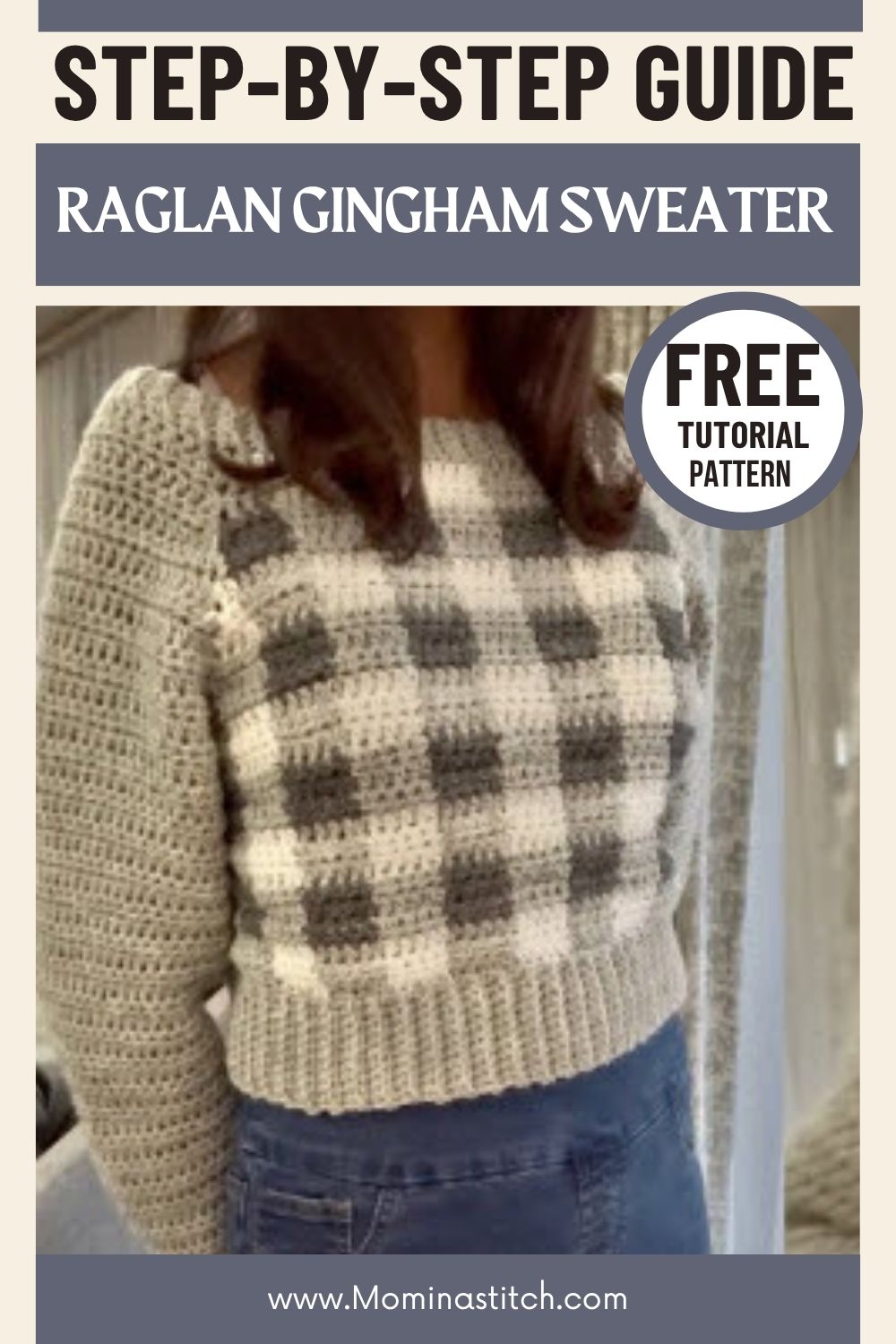
Sunny afternoons call for a top that feels light yet structured, and the sweater delivers both through a raglan yoke construction. Gray and white blocks combine into a gingham motif, giving the piece a fresh, picnic-blanket charm that pairs naturally with denim shorts. Raglan lines shape the shoulders without heavy seaming, while a top-down build lets fit adjustments happen along the way. Every increase round balances structure against ease, making the piece special for anyone wanting a checkered knit without complicated shaping math.
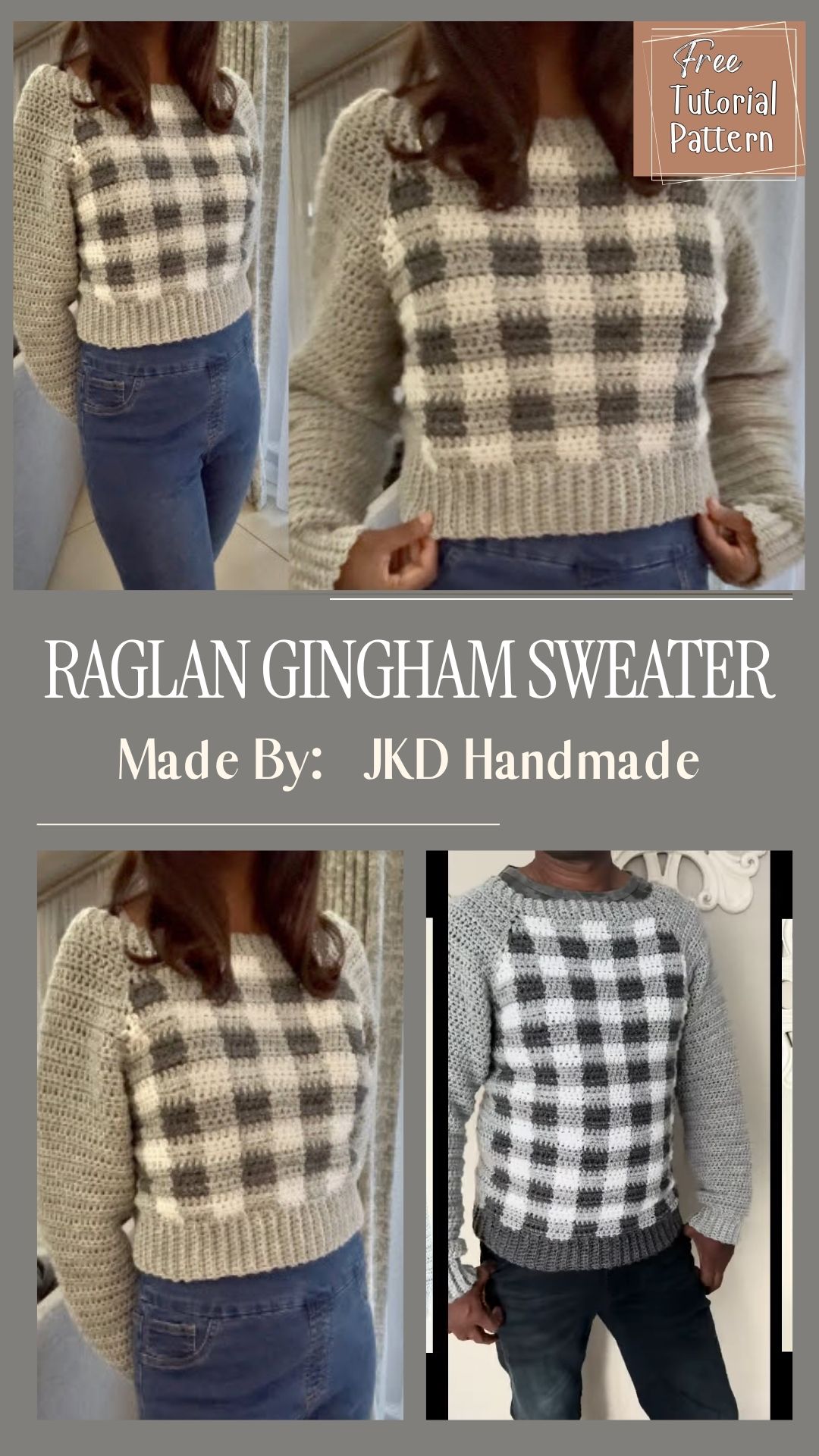
Crochet Raglan Gingham Sweater Overview
A small ring at the neckline starts the sweater, growing outward through raglan increase rounds. Four increase points split the yoke into front, back, and two sleeve sections. Color blocks alternate between light gray, dark gray, and white, forming the signature gingham checks as rounds build. Sleeves separate from the body once the yoke reaches the underarm depth, and the body continues downward toward a ribbed hem. Stitch markers track each raglan corner throughout, keeping the increase pattern accurate.
Special Techniques
Color-block shifting sits at the center of the piece, requiring clean joins between gray and white sections without visible jogs. Raglan increases happen at four marked points every round, doubling stitch count evenly across shoulders. Carrying unused yarn along the wrong side avoids extra ends to weave in later. Blocking flattens the gingham squares into crisp, even rectangles once the piece finishes.
Time Box
- Prep, gauge swatch, and yarn organizing: 20 minutes
- Neckline and raglan yoke: 3–4 hours
- Sleeve separation and body rounds: 3–4 hours
- Ribbed hem and cuffs, plus finishing: 1 hour
Total working time lands around 8–10 hours, spread across several relaxed sessions.
Common Mistakes
Losing track of raglan increase points often skews the yoke shape, so stitch markers matter throughout every round. Color changes without a clean join create messy jogs along the gingham blocks. Skipping gauge swatching before starting leads to a sweater that runs too tight or too loose across the shoulders. Rushing the underarm separation can leave sleeve openings uneven on each side. Slowing down at every raglan corner keeps the yoke balanced and the checks aligned.
Uses & Benefits
Gray and white gingham brings a fresh, farmhouse-picnic charm into warm-weather dressing, echoing tablecloths and sun-bleached linen. Raglan shaping creates a relaxed silhouette that layers easily over camisoles or fitted tanks. Paired with denim, khaki, or cream bottoms, the checkered pattern reads polished without feeling formal. Lightweight cotton or cotton-blend yarn keeps the sweater breathable for summer evenings and air-conditioned spaces alike. Soft color contrast photographs beautifully for outdoor gatherings, porch dinners, or weekend market trips.
Helpful Beginner Tips
Count stitches after every raglan increase round to confirm the four sections stay balanced. Use stitch markers in a different color for each raglan corner, avoiding confusion during color changes. Carry the unused yarn loosely along the inside to prevent puckering. Try the yoke on periodically before separating sleeves, checking the neckline depth against personal preference. Block the finished gingham panel with steam to sharpen every square before wearing.
Assembly
1 — Foundation Ring: Place a slip knot onto the hook and chain into a small ring, preparing the base for the neckline round.
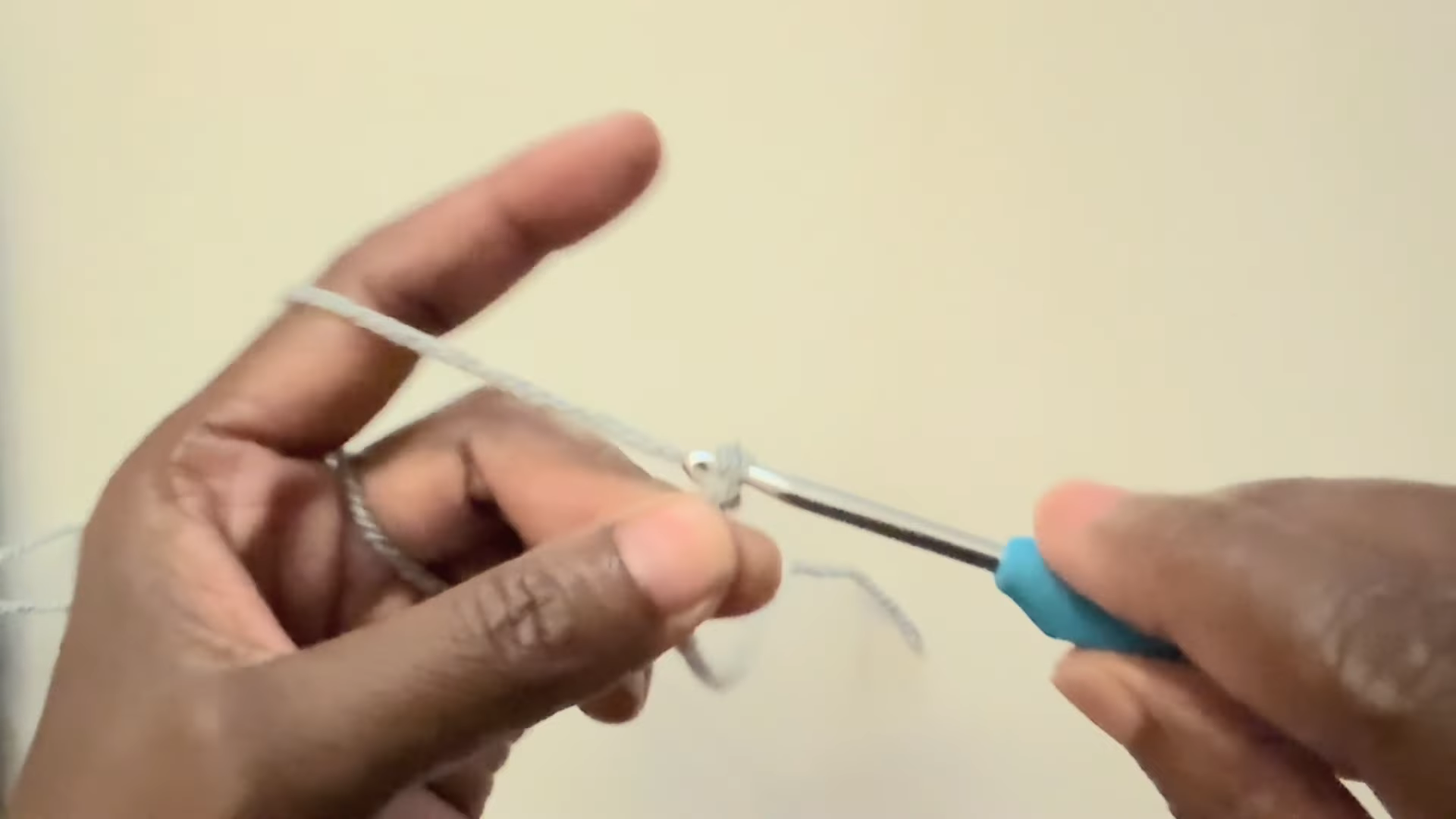
2 — First Cluster Round: Work a shell or cluster stitch pattern around the ring, gathering loops onto the hook and pulling through together to form the neckline edge.
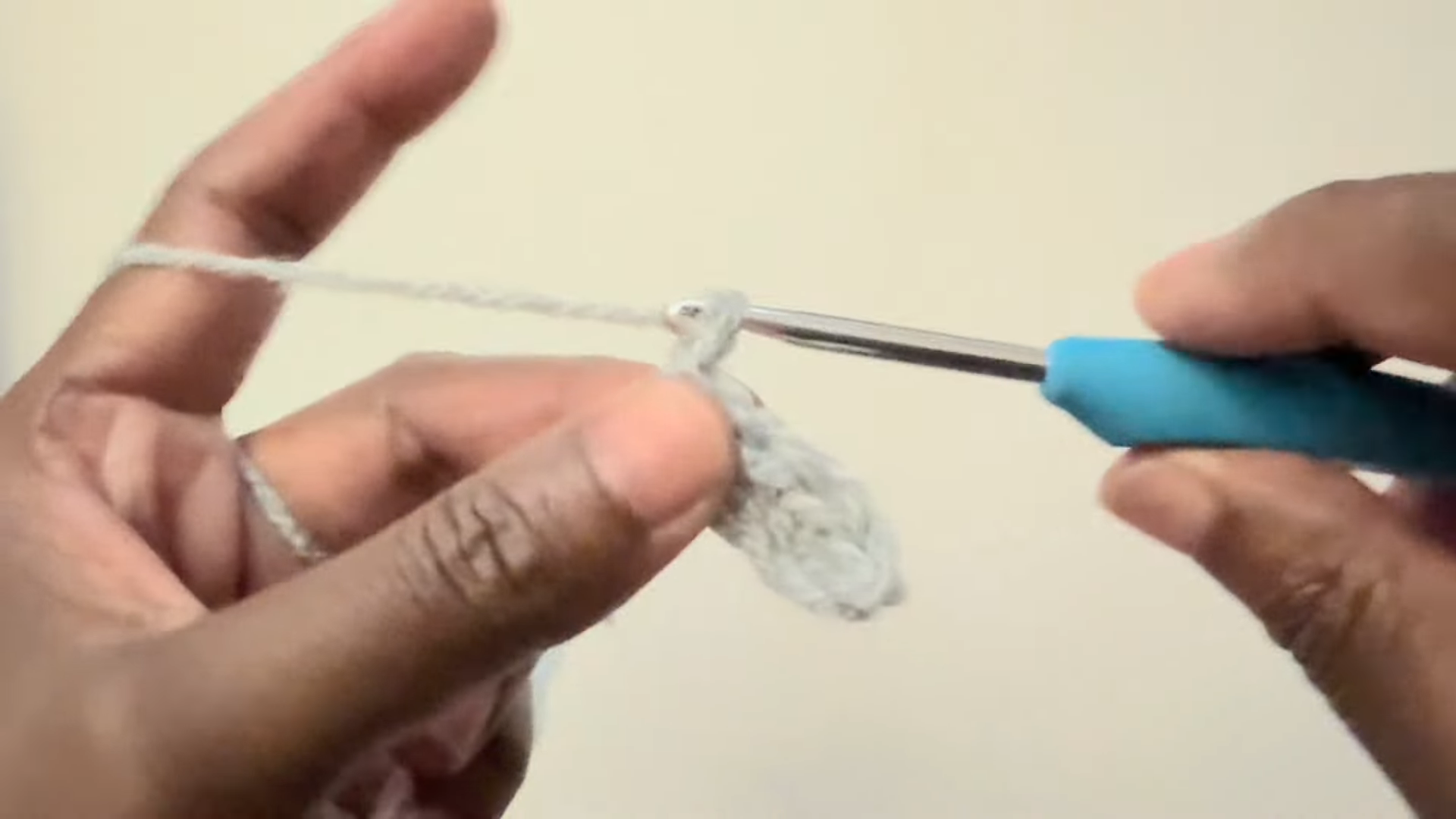
3 — Neckline Row Complete: Continue the shell pattern across the round, keeping tension even so the curved neckline lies flat and consistent.
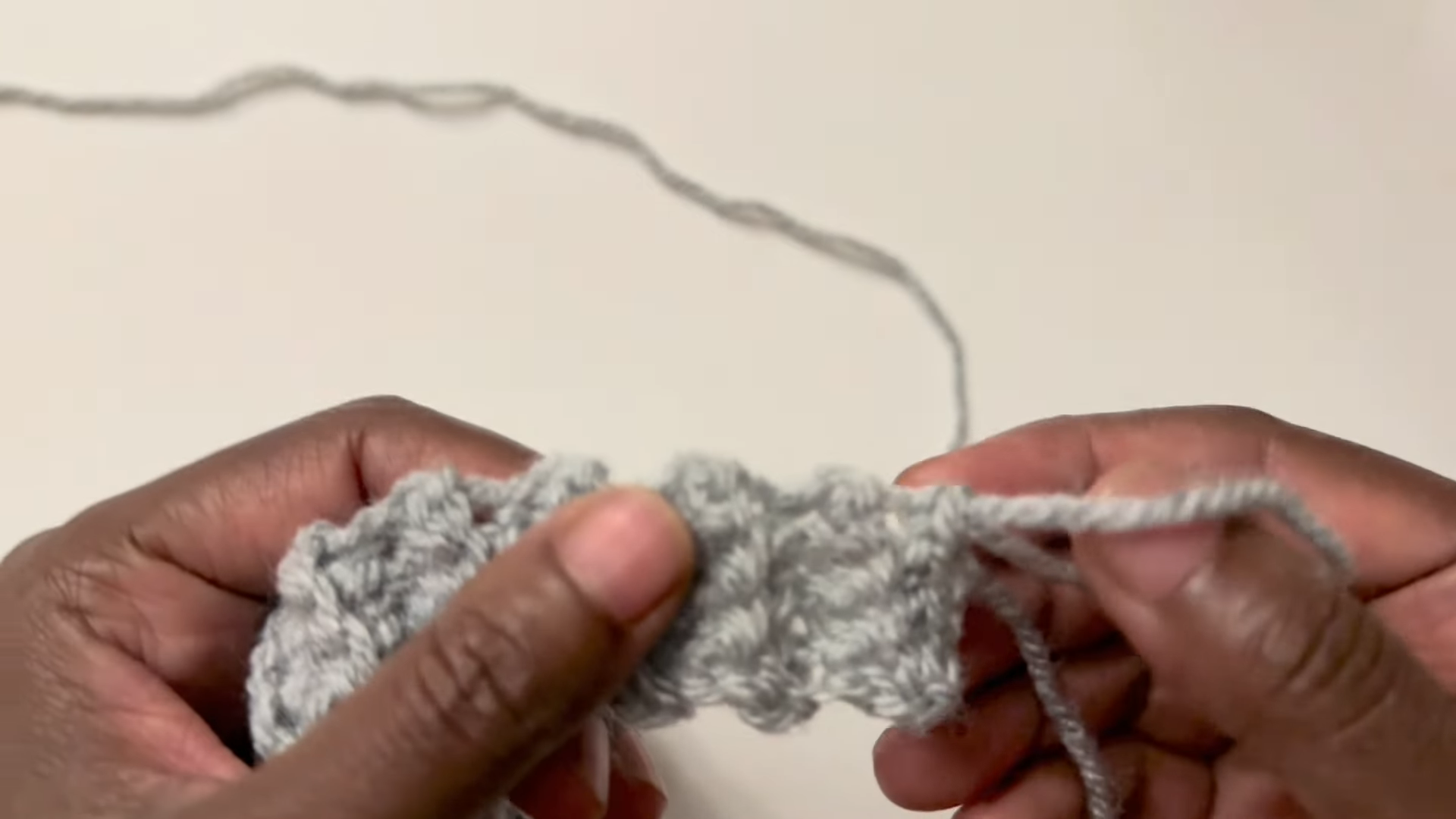
4 — Joining Into the Round: Slip stitch to close the round, chain up, and mark the starting point before beginning raglan increases.
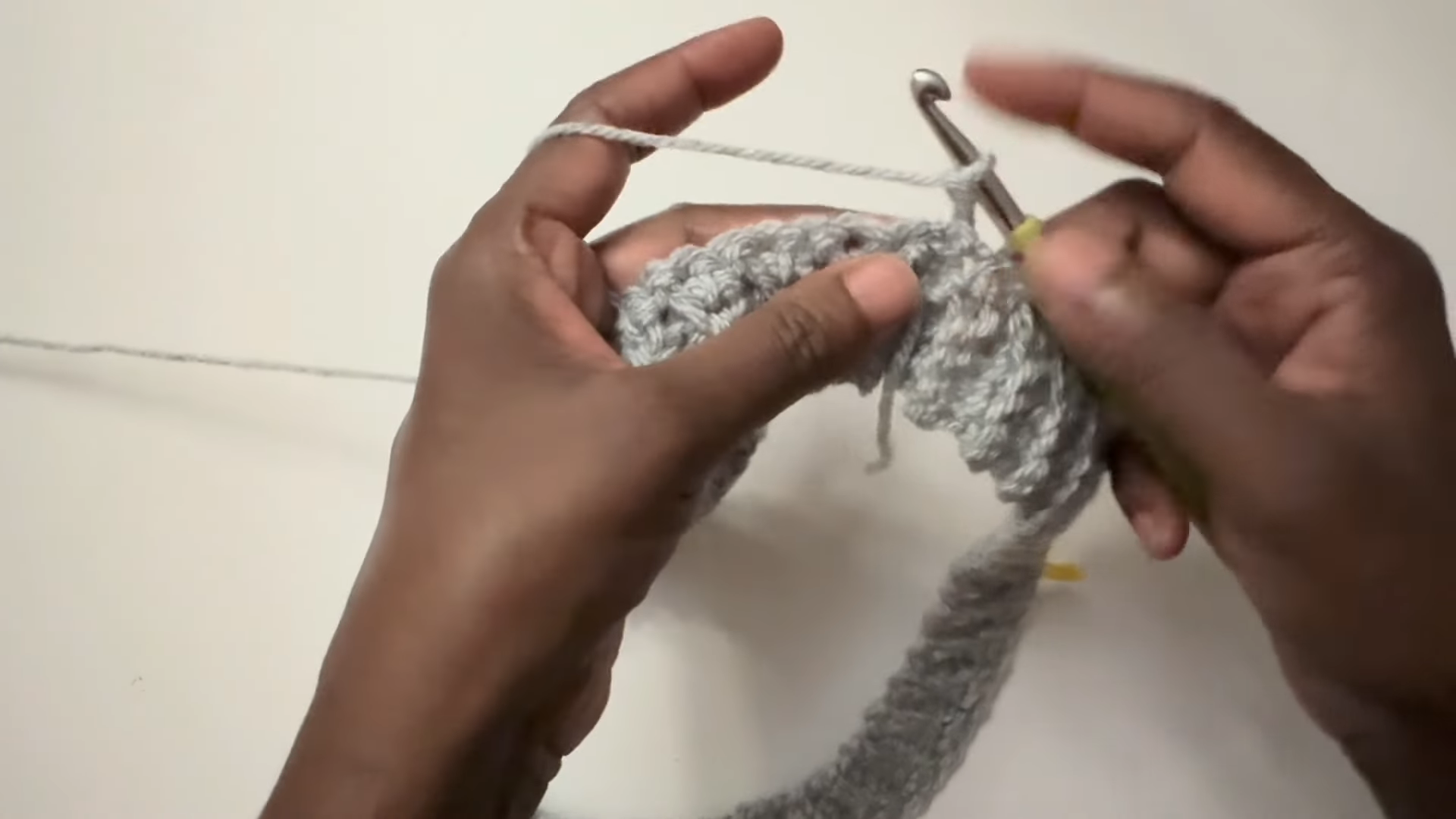
5 — Raglan Increases: Work increase stitches at each of the four raglan corners every round, switching between gray and white yarn to build the gingham blocks as the yoke widens.
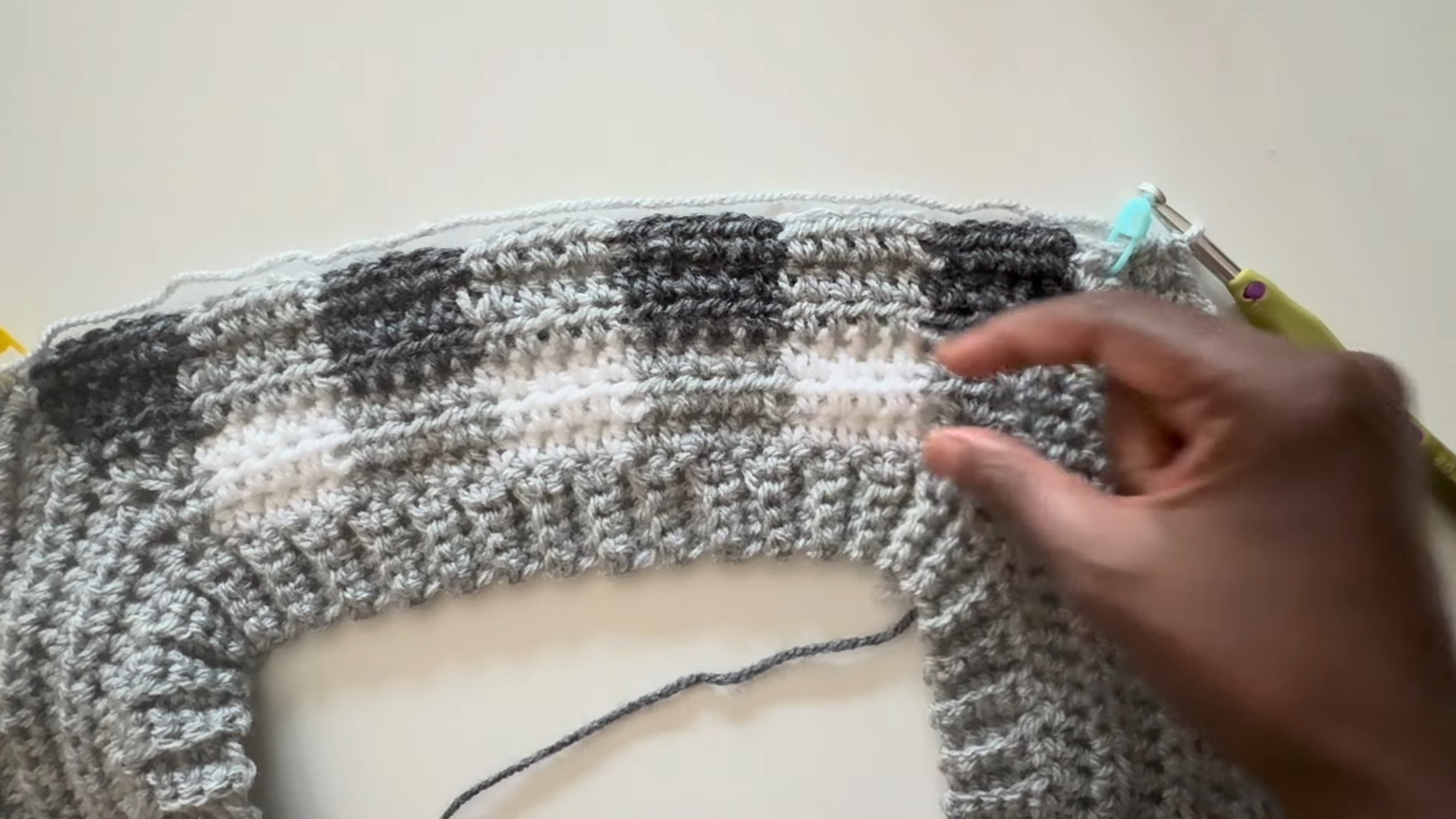
6 — Separate Sleeves: Once underarm depth is reached, chain across each underarm gap, setting sleeve stitches aside on holders for later.
7 — Body Rounds: Continue working even rounds around the body, keeping the gingham color sequence consistent until reaching the desired length.
Where Can You Use This
Wear the sweater over a sundress for a farmers market morning or garden brunch. Layer it over a swimsuit for a breezy beach cover-up during golden hour. Pack it into a picnic basket bag as an easy throw-on for cooler evening air. Hang it near a porch door for quick grabs before outdoor gatherings. Tuck it into an overnight bag for weekend trips where mornings run cool and afternoons run warm.
Why Beginners Will Enjoy
Top-down construction removes the need for seaming, since the yoke and body build in one continuous piece. Raglan increases teach shaping basics in a repeatable, easy-to-track format. Color changes offer a satisfying visual reward without adding stitch complexity. Trying the sweater on mid-project builds confidence around fit adjustments. Finishing a wearable, checkered garment within a week builds momentum for bigger colorwork projects later.
Tips and Tricks
Use four different colored stitch markers to track raglan corners without confusion. Choose a smooth cotton-blend yarn for crisp, well-defined gingham squares. Test sleeve length against an actual arm before finishing the cuffs. Steam block gingham sections before wearing to sharpen the checkered pattern. Save leftover yarn for a matching drawstring bag or headband.
Why Trending
- Gingham colorwork appeal: Checkered patterns dominate current summer fashion feeds, and the sweater brings the print into a handmade knit.
- Top-down raglan ease: Seamless construction matches rising demand for beginner-friendly sweater builds without complicated finishing.
- Warm-weather knitwear: Lightweight cotton sweaters fill a growing niche between tank tops and full cardigans for transitional summer evenings.
Color Story & Yarn Swap Ideas
Swap gray and white for navy and cream for a coastal, nautical feel, or try sage and oatmeal for a soft farmhouse palette. Cotton or cotton-linen blends hold the gingham squares crisp, while acrylic blends soften the contrast slightly. Consider a warm terracotta and cream combination for a sunset-toned variation perfect for early autumn wear.
Conclusion
Checkered color blocks, breathable cotton yarn, and a seamless top-down build combine to make the sweater a satisfying summer project. Whether worn over a sundress or packed for a weekend getaway, the gingham pattern brings playful charm into warm-weather dressing. Grab gray and white yarn and cast on the neckline ring today.