Dreamy Crochet Chibi Angel Amigurumi Pattern Toy
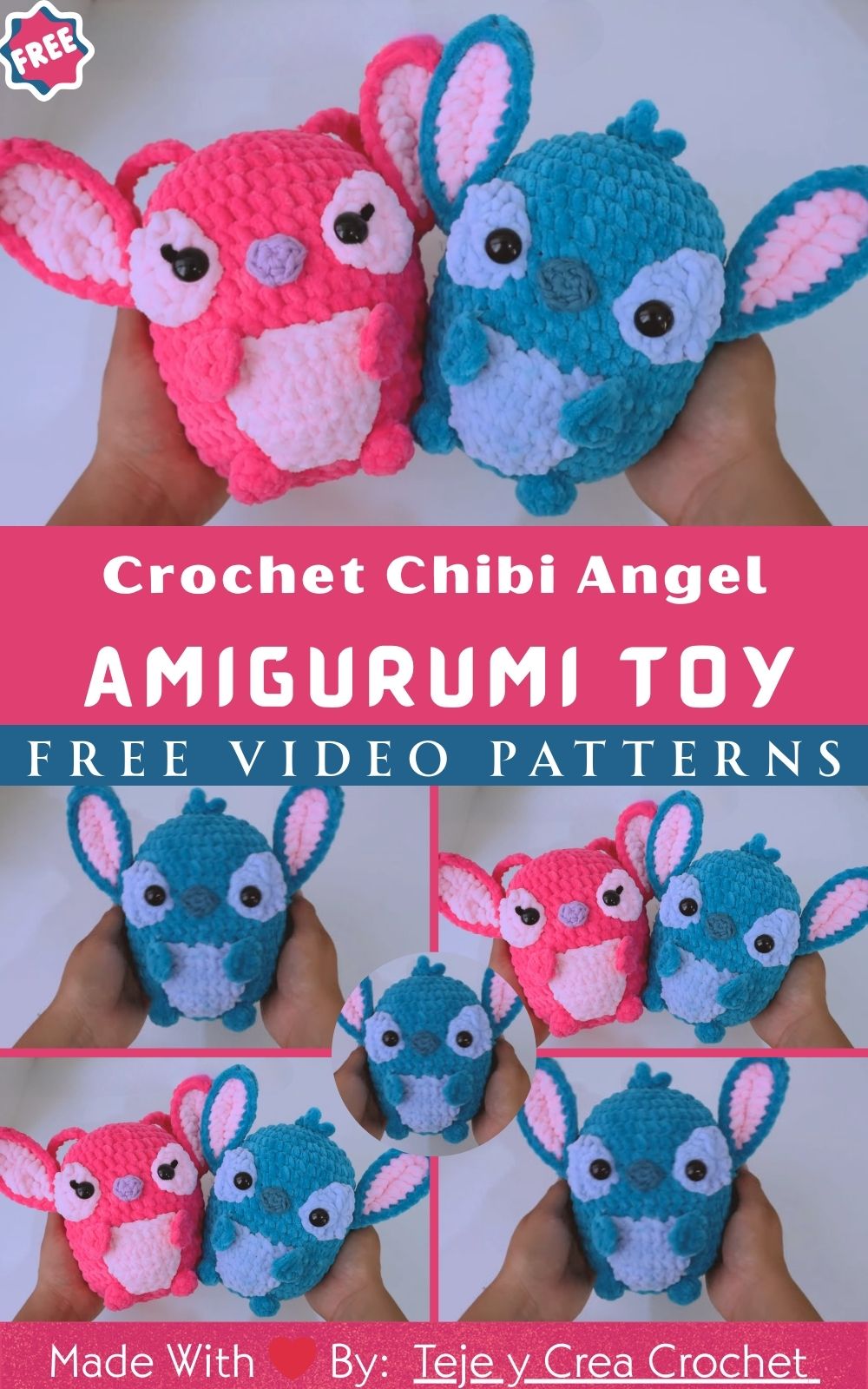
Float into cuteness with the Dreamy Crochet Chibi Angel, a simple, swoon-worthy amigurumi with plush wings, a glowing halo, and chubby cheeks. Beginner-friendly, quick to make, and irresistibly giftable, this pocket-size cherub sprinkles cozy, celestial vibes on any shelf or nursery.
Craft the Dreamy Crochet Chibi Angel, a simple, stash-friendly amigurumi that transforms cozy stitches into a pocket-size cherub. Designed for beginners, it features basic rounds, minimal shaping, plush wings, a sweet halo, and chubby cheeks.
Work it up in a weekend, customize colors, and choose embroidered or safety eyes for any age. Light, charming, and gift-ready, this celestial cutie brings instant kawaii glow wherever it lands.
Uses:
- Baby shower gift or nursery keepsake
- Holiday ornament or stocking stuffer
- Desk buddy, keychain, or bag charm
Dreamy Crochet Chibi Angel Amigurumi Pattern Toy
Firstly, welcome to your new favorite make: the Dreamy Crochet Chibi Angel, an irresistibly cute amigurumi that blends simple stitches with heavenly charm. Secondly, this beginner-friendly pattern walks you through every step, so your tiny angel comes together smoothly, sweetly, and stress-free. Moreover, you will find exact measurements, clear instructions, estimated times per step, smart tips, common mistakes to avoid, and delightful variations. Consequently, you can finish this plush cherub over a weekend and gift it as a keepsake, ornament, or comforting desk buddy. Ultimately, let’s stitch serenity, sprinkle some kawaii magic, and craft joy that glows.
Finished Size, Skill Level, and Time
- Firstly, finished size: approximately 12 cm / 4.75 in tall with DK yarn and a 2.75 mm hook (size varies with yarn and tension).
- Secondly, skill level: absolute beginner to confident beginner (uses single crochet, increases, and invisible decreases).
- Moreover, total time: about 3–5 hours, depending on pace, experience, and embellishments.
Terminology and Abbreviations (US Terms)
- Firstly, st = stitch; sc = single crochet; inc = increase (2 sc in one st); dec = invisible decrease (sc two sts together); sl st = slip stitch; ch = chain; MR = magic ring; FO = fasten off; rnd(s) = round(s).
- Secondly, always work in continuous rounds unless noted; therefore, use a stitch marker.
- Moreover, lightly stuff as you go to maintain shape and avoid gaps.
Materials and Exact Measurements
- Firstly, yarn (DK/Light Worsted, size 3; soft acrylic or cotton blend):
- Skin tone: 25–30 m (27–33 yd)
- Dress color: 35–40 m (38–44 yd)
- White (wings): 20–25 m (22–27 yd)
- Hair color: 15–20 m (16–22 yd)
- Gold or metallic yarn (halo): 5–8 m (6–9 yd)
- Secondly, crochet hook: 2.75 mm (US C/2).
- Moreover, safety eyes: 6 mm (embroidered eyes for under-3s).
- Furthermore, stuffing: 20–30 g polyester fiberfill.
- Additionally, tapestry needle, stitch marker, sharp scissors, and pins.
- Subsequently, blush or fabric-safe paint (optional) for cheeks.
- Finally, pipe cleaner/floral wire or nylon thread (optional) to shape and suspend the halo.
Gauge (Helpful, Not Critical)
- Firstly, 6 rounds of sc in round ≈ 3.5 cm / 1.4 in in diameter with firm tension.
- Secondly, adjust hook size to eliminate gaps: therefore, go down a size if stuffing peeks.
Important Notes Before You Start
- Firstly, keep tension firm for a neat, dense fabric.
- Secondly, always start each piece with a magic ring to avoid holes.
- Moreover, place the stitch marker at the first stitch of each round and move it up.
- Furthermore, stuff gradually and shape with your fingers as the piece grows.
- Consequently, safety eyes should be inserted before closing the head.
- Finally, for infants and pets, avoid safety eyes and opt for embroidered features.
Step-by-Step Instructions with Time Estimates
1) Head (Skin Tone) — 45–60 minutes
- Firstly, rnd 1: MR, 6 sc into ring (6).
- Secondly, rnd 2: inc around (12).
- Moreover, rnd 3: (sc, inc) x6 (18).
- Furthermore, rnd 4: (2 sc, inc) x6 (24).
- Additionally, rnd 5: (3 sc, inc) x6 (30).
- Subsequently, rnd 6: (4 sc, inc) x6 (36).
- Consequently, rnd 7: (5 sc, inc) x6 (42).
- Then, rounds 8–13: sc around (42) for 6 rounds to build height.
- Next, place eyes between rounds 9 and 10 with 6–7 sts between; therefore, center them.
- Afterwards, add a small pinch of stuffing and position the cheeks lightly.
- Now, rnd 14: (5 sc, dec) x6 (36).
- Then, rnd 15: (4 sc, dec) x6 (30).
- Moreover, rnd 16: (3 sc, dec) x6 (24).
- Furthermore, rnd 17: (2 sc, dec) x6 (18).
- Additionally, stuff firmly but not bulging; therefore, shape into a smooth sphere.
- Finally, rnd 18: (sc, dec) x6 (12).
- Lastly, rnd 19: dec around (6), FO, and close the opening with the yarn tail.
2) Hair Cap (Hair Color) — 20–30 minutes
- Firstly, rnd 1: MR, 6 sc (6).
- Secondly, rnd 2: inc around (12).
- Moreover, rnd 3: (sc, inc) x6 (18).
- Furthermore, rnd 4: (2 sc, inc) x6 (24).
- Additionally, rnd 5: (3 sc, inc) x6 (30).
- Subsequently, rnd 6: (4 sc, inc) x6 (36).
- Consequently, rnd 7: (5 sc, inc) x6 (42).
- Then, rnd 8: sc around (42), FO leaving a long tail.
- Next, fit the cap onto the head; therefore, positionit so the hairline sits above the eyes.
- Finally, sew the hair cap in place with small, even stitches around the edge.
Optional bangs/fringe — 10–15 minutes:
- Firstly, cut 6–10 strands of hair yarn (7–8 cm each).
- Secondly, insert the hook at the front hairline; therefore, pull a folded strand through.
- Moreover, pass the ends through the loop and tighten gently to lock.
- Lastly, trim evenly to the desired style (e.g., short fringe or side-swept bangs).
3) Halo (Gold Yarn) — 8–12 minutes
- Firstly, ch 20–24 (depending on halo size), sl st to first ch to form a ring.
- Secondly, sc around the ring to thicken; therefore, add 24–30 sc as needed.
- Moreover, FO leaves a tail; then shape it into a smooth circle.
- Furthermore, attach with a clear nylon thread, or stitch the halo to the back of the hair.
- Alternatively, wrap a pipe cleaner with gold yarn and form a ring; consequently, it holds shape beautifully.
4) Body and Dress (Dress Color) — 40–60 minutes
- Firstly, start at the base:
- Rnd 1: MR, 6 sc (6).
- Rnd 2: inc around (12).
- Rnd 3: (sc, inc) x6 (18).
- Rnd 4: (2 sc, inc) x6 (24).
- Rnd 5: (3 sc, inc) x6 (30).
- Rnd 6: (4 sc, inc) x6 (36).
- Secondly, rounds 7–9: sc around (36) to create the flared hem.
- Moreover, rnd 10 (optional flare): (sc, inc) x18 (54), then rnd 11: sc around (54) for extra skirt volume; otherwise, skip for a slimmer dress.
- Furthermore, taper to the torso:
- Next, rnd 10 or 12 (depending on flare): (4 sc, dec) around until 30.
- Additionally, next round: (3 sc, dec) around to 24.
- Subsequently, next round: (2 sc, dec) around to 18.
- Consequently, rnds (2–3 rounds): sc around (18) to form the chest.
- Then, stuff the lower body lightly; therefore, keep the dress drapey.
- Finally, FO leaves a long tail for sewing the body to the head later.
Optional collar edge — 5 minutes:
- Firstly, join white yarn at the top edge; then (sl st, ch 2) repeat around for a petite scallop.
- Secondly, FO and weave in ends neatly.
5) Arms (Skin Tone) — 20–25 minutes for both
- Firstly, make 2 identical arms:
- Rnd 1: MR, 6 sc (6).
- Rnd 2: sc around (6).
- Rnd 3: (sc, inc) x3 (9).
- Rnds 4–6: sc around (9).
- Rnd 7: (sc, dec) x3 (6).
- Secondly, lightly stuff only the hand area; therefore, keep the upper arm soft.
- Moreover, flatten the opening and sc across to close; then FO with a tail.
- Finally, pin arms to the sides of the body slightly below the neckline and sew securely.
Optional sleeve trim — 3–5 minutes:
- Firstly, attach the ress color to the wrist and sew around for a neat cuff.
- Secondly, FO and hide the end inside the arm.
6) Wings (White) — 25–35 minutes for both
Option A: Simple scalloped wings (2 pieces)
- Firstly, wing base:
- Row 1: ch 8, sc in 2nd ch from hook and across (7), ch 1, turn.
- Row 2: sc across (7), ch 1, turn.
- Row 3: sc across (7), do not turn; instead, rotate to work around the oval.
- Secondly, border:
- Next, along the short side and bottom: evenly place 10–12 sc to round the edge.
- Moreover, along the top edge: (sl st, skip 1, 3 dc in next st, skip 1) repeat to create three scallops; therefore, adjust spacing to your liking.
- Furthermore, FO and weave in, leaving a sewing tail.
- Finally, make a second wing and mirror the scallops so both curve outward.
Option B: Puffy oval wings (2 pieces)
- Firstly, rnd 1: MR, 6 sc (6).
- Secondly, rnd 2: inc around (12).
- Moreover, rnd 3: (sc, inc) x6 (18).
- Furthermore, rnd 4: (2 sc, inc) x6 (24).
- Additionally, rnds 5–6: sc around (24).
- Subsequently, rnd 7: (2 sc, dec) x6 (18).
- Consequently, rnd 8: (sc, dec) x6 (12), FO and lightly stuff for a puffy look.
Attachment:
- Firstly, pin wings on the upper back centered between the head and the body seam.
- Secondly, sew carefully so stitches do not show; therefore, take shallow bites.
- Moreover, the angle is slightly upward for a lively, floating pose.
7) Assembly and Finishing 25–40 minutes
- Firstly, sew the head to the body using the long tail; therefore, ladder stitch around for a strong, invisible seam.
- Secondly, attach arms symmetrically; then secure with multiple passes.
- Moreover, stitch wings firmly; consequently, check alignment from the front and back.
- Furthermore, place the halo above the head; then anchor it with transparent thread or a small stitched tab.
- Additionally, embroider details: a tiny smile with black or brown thread and soft lashes if desired.
- Next, apply a faint blush to the cheeks using soft pastel or fabric-safe paint.
- Finally, steam-block the wings lightly (optional) to set the scallops; therefore, avoid direct contact with acrylic.
Estimated Timeline Summary
- Firstly, Head: 45–60 minutes.
- Secondly, Hair Cap: 20–30 minutes (plus 10–15 minutes for bangs).
- Moreover, Halo: 8–12 minutes.
- Furthermore, Body and Dress: 40–60 minutes.
- Additionally, Arms: 20–25 minutes.
- Subsequently, Wings: 25–35 minutes.
- Finally, Assembly and Finishing: 25–40 minutes.
Beginner Tips That Make a Big Difference
- Firstly, use a stitch marker in the first stitch of every round; therefore, you will never lose count.
- Secondly, count your stitches at the end of each round; consequently, errors are caught early.
- Moreover, keep tension firm but comfortable; thus, the stuffing will not peek through.
- Furthermore, practice the invisible decrease; therefore, your shaping looks smooth.
- Additionally, stuff gradually and massage the fiberfill; as a result, the head stays round and adorable.
- Next, pin parts before sewing; consequently, symmetry improves dramatically.
- Finally, weave in tails through several stitches; therefore, ends will not slip out with play.
Common Mistakes and How to Avoid Them
- Firstly, skipping the magic ring leads to gaps at the start; therefore, always use MR or chain-2 start and work into the first round tightly.
- Secondly, overstuffing causes lumps and visible holes; consequently, add fiberfill sparingly and shape as you go.
- Moreover, placing eyes too wide or too close disrupts the kawaii balance; therefore, test positions with pins before locking.
- Furthermore, inconsistent stitch tension creates wavy edges; thus, slow down and maintain a steady rhythm.
- Additionally, sewing parts without pinning causes crooked arms or wings; therefore, pin, preview, and then sew.
- Next, using a hook that is too large leaves gaps; consequently, downsize the hook until the fabric is dense.
- Finally, steaming acrylic directly can melt or flatten stitches; therefore, hover the iron and use a cloth barrier.
Styling and Variations
- Firstly, colorways:
- Classic white and gold: clean, ethereal, and timeless.
- Pastel dress with silver halo: soft, whimsical, and nursery-perfect.
- Winter angel in ice blue with white hair: frosty, festive, and modern.
- Secondly, expressions:
- Embroidered sleepy eyes with curved lashes for a dreamy look.
- Tiny “O” mouth or simple smile for extra charm.
- Moreover, accessories:
- Mini heart or star to hold (crochet a tiny shape and sew to the hands).
- Little scarf or collar trim in a contrasting color.
- Furthermore, textures:
- Fuzzy yarn for hair to create soft curls.
- Metallic thread held with gold yarn for a sparkling halo.
- Additionally, sizes:
- Use worsted (weight 4) with a 3.25–3.5 mm hook for a slightly larger angel (15–16 cm).
- Use sport weight (weight 2) with a 2.25 mm hook for a pocket-sized charm (9–10 cm).
- Finally, function:
- Insert a rattle to make a baby-safe toy (embroider eyes only).
- Add a long thread to hang as a holiday ornament or car charm.
Care and Safety
- Firstly, surface wash gently with a damp cloth and mild soap; therefore, protect delicate details.
- Secondly, reshape wings and halo after washing; consequently, the silhouette stays crisp.
- Moreover, avoid small parts for children under 3; therefore, embroider features and sew securely.
Troubleshooting Quick Guide
- Firstly, visible holes: switch to a smaller hook or tighten tension.
- Secondly, lopsided head: redistribute stuffing and massage into shape.
- Moreover, uneven wings: count stitches and mirror placement carefully.
- Furthermore, loose halo: reinforce with extra stitches or wrap with clear thread.
- Additionally, wobbly head: add a few extra ladder stitches around the seam.
- Finally, flaky blush: use fabric-safe pastels and fix gently with a touch of steam (hover only).
Why This Pattern Works for Beginners
- Firstly, the head, body, and limbs use only single crochet, increases, and decreases; therefore, learning is straightforward.
- Secondly, the parts are small and quick; consequently, confidence grows with every finished piece.
- Moreover, the design hides seams under the hair and wings; as a result, the finish looks polished.
- Furthermore, the optional embellishments scale up or down the difficulty; therefore, you can customize comfortably.
SEO-Friendly Notes for Crafters and Sellers
- Firstly, use keywords like “Dreamy Crochet Chibi Angel,” “beginner amigurumi pattern,” “crochet angel toy,” and “kawaii amigurumi gift” in your shop or blog.
- Secondly, include finished size, materials, and care at the top of your listing; consequently, buyers decide quickly.
- Moreover, photograph in soft light with neutral backgrounds; therefore, details like wings and halo stand out.
Quick Pattern Recap (For Printing)
- Firstly, Head: MR6; inc to 42; 6 rounds even; dec to close; insert 6 mm eyes between rnds 9–10 (6–7 sts apart); stuff firmly.
- Secondly, Hair Cap: MR6; inc to 42; 1 round even; sew to head; add fringe if desired.
- Moreover, Halo: ch 20–24; sl st to join; sc around; attach with clear thread or stitch to hair.
- Furthermore, Body/Dress: MR6; inc to 36; 2–3 rounds even; taper to 18; 2–3 rounds even; light stuffing.
- Additionally, Arms (x2): MR6; shape to 9; a few rounds even; reduce to 6; light stuffing; close flat.
- Subsequently, Wings (x2): choose scalloped or puffy oval; attach symmetrically.
- Finally, Assembly: sew head to body; attach arms and wings; add halo; embroider features; blush cheeks.
Frequently Asked Questions For (Crochet Chibi Angel Amigurumi)
- Firstly, can I use cotton yarn? Yes, absolutely; therefore, expect crisper stitches and a slightly smaller size.
- Secondly, can I machine wash? Preferably no; consequently, hand or surface wash to preserve shape.
- Moreover, can I sell finished angles? Yes, you may sell items you make from this pattern; therefore, please credit “Dreamy Crochet Chibi Angel Pattern” in your listing.
- Furthermore, how do I avoid seeing stuffing? Use a smaller hook, firmer tension, and avoid overfilling.
Closing Encouragement For (Crochet Chibi Angel Amigurumi)
Firstly, you did it. Your Dreamy Crochet Chibi Angel is ready to sprinkle sweet serenity on any space. Secondly, whether you gift it, display it, or keep it as a tiny talisman, your stitches have crafted comfort and joy. Moreover, remember that every amigurumi gets cuter with practice, so try new colors, swap wings, and make a chorus of angels. Finally, tag your makes, share your glow, and keep crocheting happiness one soft loop at a time.