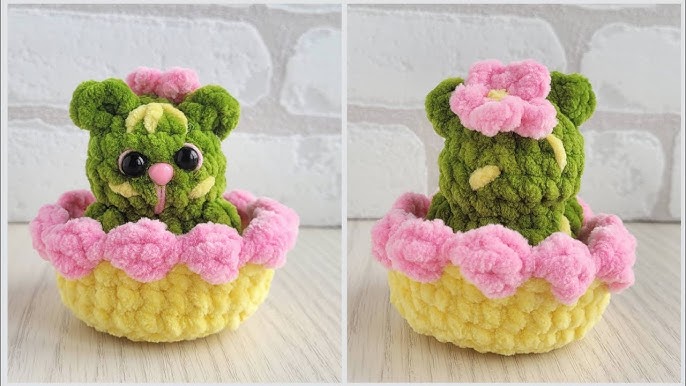
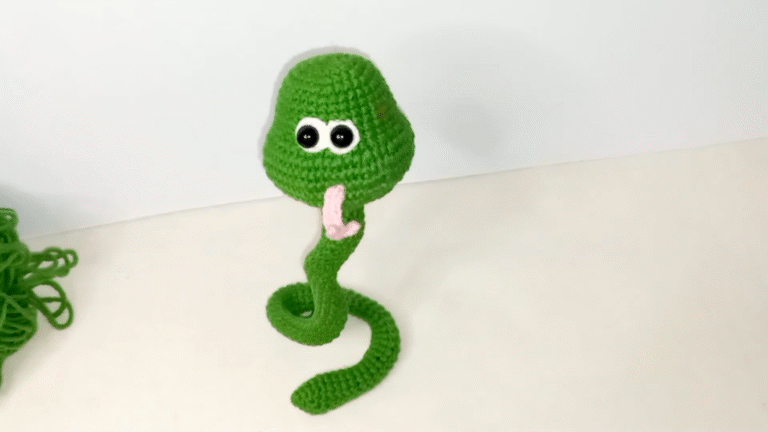
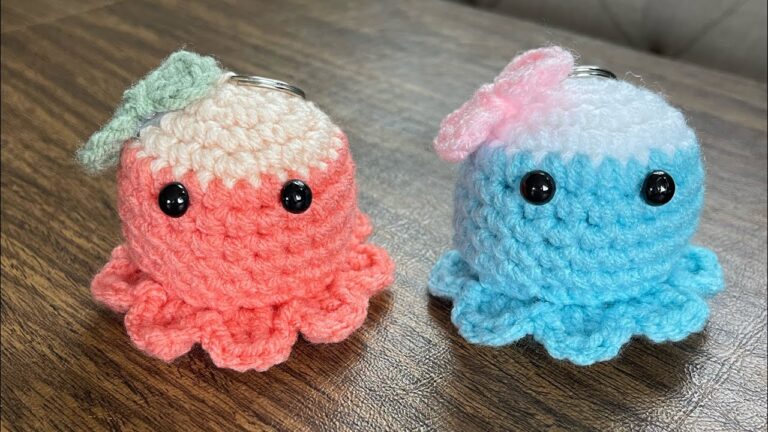
Harmonious Mini Crochet Cat Keychain Amigurumi Pattern
Turn leftover yarn into a soothing little companion: a harmonious Crochet Cat Keychain Amigurumi Pattern. With simple stitches and a tidy, balanced shape, this amigurumi comes together quickly and looks adorable on keys, backpacks, or gift bags. Pick your favorite colors and make it uniquely yours.
Create a pocket-sized keepsake with this Harmonious Mini Crochet Cat Keychain Amigurumi Pattern, designed for clean lines and a quietly charming finish. Using basic amigurumi crochet techniques, tight single crochet, neat shaping, and simple assembly.

You’ll craft a mini cat that feels polished yet beginner-friendly. Clip it to keys, a leather tote, or a travel pouch, or present it as a personalized gift in a curated color palette. Ideal for handmade home decor accents and custom gifts, this crochet keychain also makes a thoughtful party favor or boutique-style stocking stuffer.
Harmonious Mini Crochet Cat Keychain Amigurumi Pattern
A tiny crochet cat keychain feels like a calm little companion small enough to take anywhere, yet detailed enough to look truly handmade. First, the head is shaped into a smooth, round ball that gives the cat a gentle look. Next, the body is crocheted slightly wider and then tapered so the finished amigurumi sits neatly in the palm. Meanwhile, the tiny ears, paws, and tail add character without making the pattern complicated. Finally, careful face placement and secure stitching turn this project into a durable keychain that can handle daily use.
Things You’ll Need
Yarn (choose one option)
Option A (smaller cat, approx. 7 cm / 2.75 in): Fingering or light sport yarn (Category 1–2), 15–20 g (55–80 m)
Option B (bigger cat, approx. 10 cm / 4 in): Sport or DK yarn (Category 2–3), 20–30 g (70–110 m)
- Main color: 10–25 g
- Contrast color (optional patches): 2–5 g
- Pink (nose/cheeks): 1–2 g
- Black (embroidery for details): 1–2 g
Hook
- 1.75 mm (for thinner yarn / tighter stitches)
- 2.0 mm (for slightly thicker yarn / slightly larger size)
Notions
- Safety eyes: 6 mm (small cat) or 8 mm (bigger cat)
- Polyester fiberfill: 5–10 g
- Stitch marker
- Yarn needle
- Scissors
Keychain hardware
- Keyring: 25–30 mm
- Jump ring: 1 (optional)
- Lobster clasp: 1 (optional)
Skill Level
Easy / Beginner-friendly (single crochet in the round, increases, decreases, and basic sewing).
Making Time (Overview)
Total time: 2.5–4 hours (depending on pace and finishing details)
- Head: 35–55 minutes
- Body: 45–70 minutes
- Ears (2): 20–30 minutes
- Paws/legs (2): 30–45 minutes
- Tail: 10–15 minutes
- Muzzle: 10–15 minutes
- Assembly + face details: 30–50 minutes
Abbreviations
MR = magic ring
sc = single crochet
inc = increase (2 sc in one stitch)
dec = invisible decrease (recommended)
sl st = slip stitch
ch = chain
st(s) = stitch(es)
Important Notes (Before Starting)
First, work in continuous rounds unless stated.
Next, use a stitch marker to track the first stitch of each round.
Meanwhile, keep stitches tight so stuffing does not show.
Finally, if the fabric looks “holey,” switch to a smaller hook.
Head — Making time: 35–55 minutes
Rounds 1–5 (Increase to shape the sphere)
R1: MR, 6 sc (6)
R2: inc around (12)
R3: (1 sc, inc) around (18)
R4: (2 sc, inc) around (24)
R5: (3 sc, inc) around (30)
Rounds 6–11 (Build height)
R6–R11: sc around (30 each)
Rounds 12–13 (Start closing)
R12: (3 sc, dec) around (24)
R13: (2 sc, dec) around (18)
Finish with sl st, cut yarn with a long tail for sewing.
Later, eyes and stuffing are added before the head is fully closed during assembly.
Body (3 Clear Steps) — Making time: 45–70 minutes
Step 1) Rounds 1–6 (Create the base)
R1: MR, 6 sc (6)
R2: inc around (12)
R3: (1 sc, inc) around (18)
R4: (2 sc, inc) around (24)
R5: (3 sc, inc) around (30)
R6: (4 sc, inc) around (36)
Step 2) Rounds 7–10 (Add height)
R7–R10: sc around (36)
Step 3) Rounds 11–15 (Taper and close)
R11: 10 sc, then (dec, 1 sc) x6, then sc to end (30)
R12: 10 sc, then 6 dec, then sc to end (24)
R13: sc around (24)
R14: (2 sc, dec) around (18)
R15: sc around (18)
Finish with sl st, cut yarn for sewing.
Stuffing tip: First, add stuffing slowly from Round 12 onward. Next, keep it firm enough to hold shape, but not so hard that stitches stretch.
Additional Parts (Crochet Pieces)
Ears (Make 2) — Making time: 10–15 minutes each
Small ear base
R1: MR, 6 sc (6)
R2: sc around (6)
Widen slightly
R3: inc around (12)
R4: sc around (12)
Finish the ear shape
R5: 5 sc, inc repeated 2 times (14)
Finish with a tail for sewing.
Then, pinch the base slightly into a triangle before sewing so it looks crisp.
Front Legs / Paws (Make 2) — Making time: 15–22 minutes each
Paw round (chubby base)
R1: MR, 6 sc (6)
R2: inc around (12)
R3–R4: sc around (12)
Narrow for the leg
R5: 3 sc, then 3 dec, then 3 sc (9)
R6: 3 sc, then a triple decrease, then 3 sc (7)
Leg tube
R7–R9: sc around (7)
Close
R10: dec around to close (add a pinch of stuffing before the last decreases)
Finish with a tail for sewing.
Optional toe detail: Afterward, add 2–3 tiny straight stitches across the paw for “toes.”
Tail (Make 1) — Making time: 10–15 minutes
R1: MR, 6 sc (6)
R2–R7: sc around (6)
Finish with a tail for sewing.
Meanwhile, keep the tail unstuffed so it lies neatly against the body.
Muzzle / Face Piece — Making time: 10–15 minutes
Chain Base (Oval Start)
ch 6
Start in the 2nd ch from hook: sc in next 4 chains
In the last chain: 3 sc (turn the corner)
Other Side of the Chain
On the other side: sc 3
In the last chain: inc (small oval formed)
Round 2 (Smooth the Shape)
Round 2: sc around with no increases
Finish with a tail for sewing.
Next, if the muzzle curls, gently shape it flat with fingers before sewing it on.
Accessories / Details (Optional) — Making time: 10–20 minutes
Option A) Simple collar
ch 18–22 (wrap around neck area to check fit)
sl st to the first chain to form a ring
Cut the yarn, then sew the collar onto the neck seam
Option B) Tiny charm detail
Additionally, add a small bead, mini bell, or stitched bow. However, keep it lightweight so the keychain stays practical.
Face & Assembly (Beginner-Friendly) — Making time: 30–50 minutes
1) Eye Placement
First, decide between safety eyes or embroidered eyes.
Next, place eyes between Rounds 8–10 of the head.
Then, aim for spacing:
- 6 mm eyes: 5–6 stitches apart
- 8 mm eyes: 6–7 stitches apart
Finally, check symmetry by looking from the front and slightly from above.
2) Stuffing & Shaping
First, add stuffing to the head slowly.
Next, press and roll the head gently to smooth bumps.
Meanwhile, stuff the body so it feels firm enough to keep its shape.
3) Add the Muzzle
First, pin the muzzle just below the eyes.
Next, sew around the edge with small whipstitches.
Finally, weave the tail inside the head.
4) Embroider Nose & Mouth
First, stitch a tiny triangle nose with pink yarn.
Next, add a short vertical line down.
Then, stitch two small curved lines for a soft smile.
5) Attach Ears
First, pin ears on top of the head, slightly to the sides.
Next, sew the base firmly.
Finally, add a few extra stitches at the corners for strength.
6) Join Head to Body
First, center the head on the body opening.
Next, sew a full round using the long tail.
Finally, tug-test the seam gently to make sure it is secure.
7) Attach Legs and Tail
First, pin paws near the lower front of the body.
Next, sew both paws evenly (count stitches from the center line).
Meanwhile, attach the tail at the back, slightly off-center for charm.
8) Keychain Attachment (Strong + Clean)
Option A: Yarn loop
First, insert yarn at the top of the head between the ears.
Next, ch 10–14 and sl st back to form a loop.
Finally, pass the keyring through the loop and knot securely.
Option B: Jump ring (neater)
First, stitch a jump ring into the top seam using strong yarn.
Next, close it tightly.
Finally, attach the keyring.
Special Features
for (Crochet Cat Keychain Amigurumi Pattern)
- Clean miniature shape: round head, compact body, and tidy proportions.
- Gentle expression: muzzle + simple embroidery creates a calm, friendly face.
- Keychain-ready seams: sturdy joins made for daily handling.
- Easy customization: patches, stripes, and accessories without changing stitch counts.
Sizing Tips
First, remember: smaller hook = tighter stitches = cleaner amigurumi fabric.
Next, thinner yarn makes a smaller cat with sharper details (great for keychains).
Meanwhile, thicker yarn makes a bigger cat that looks plushier (great for bag charms).
Finally, if the project turns out bigger than expected, reduce the hook size before changing the pattern.
Finishing Tips (Neat, Secure, Clean Look)
First, weave in ends through at least 6–8 stitches.
Next, trim only after gently pulling to confirm nothing loosens.
Meanwhile, shape the body and head with fingers to smooth bumps.
Finally, reinforce the keychain loop and the head-to-body seam (these take the most stress).
Common Mistakes to Avoid (Kind + Simple)
Stuffing showing through stitches
First, tighten the tension or switch to a smaller hook. Next, use smaller pieces of stuffing instead of one big clump.
Uneven eyes
Before locking safety eyes, test placement with pins. Then, adjust until both sides look balanced.
Wobbly head
Next, sew the head with a full round and add extra stitches around the “neck” area for stability.
Ears leaning backward
Meanwhile, pinch the ear base and sew through both layers at the bottom so it stays upright.
Weak keychain loop
Finally, reinforce with extra stitches or use a jump ring for a stronger, cleaner finish.
Variations & Customization Ideas
Color changes
- Tuxedo cat (black + white)
- Soft gray with pink cheeks
- Orange tabby with simple stripes
- All-black mini cat with bright embroidered eyes
Size options
- Use DK yarn + 2.5 mm hook for a bag charm version
- Use fingering yarn + 1.5–1.75 mm hook for a micro keychain
Expression and theme
- Sleepy eyes for a calm vibe
- Tiny bow tie for a dressy gift
- Small scarf for winter
- Heart charm for birthdays or anniversaries
Tutor Suggestions for (Crochet Cat Keychain Amigurumi Pattern)
First, practice the magic ring and invisible decrease on a small test circle.
Next, keep a stitch marker at all times, because rounds are easy to lose in tiny amigurumi.
Meanwhile, pin every piece before sewing, since small placement changes make a big difference.
Later, take extra time on the face; even simple embroidery looks premium when it is neat.
Finally, tug-test seams and the keychain attachment before calling the project finished. This one step saves a lot of frustration later.